If you are thinking about selling your home in Pataskala, one question matters right away: how do you price and prepare it so you do not leave money on the table? Selling is more than putting a sign in the yard. You need a smart plan for pricing, prep, showings, negotiation, and closing. This guide walks you through each step so you can move forward with more clarity and less stress. Let’s dive in.
Understand the Pataskala market
Pataskala sellers have a strong starting point, but pricing still needs to be grounded in real numbers. According to Columbus REALTORS' 2025 annual report, Pataskala had a median sold price of $375,000 and an average sold price of $397,650. That puts Pataskala above Licking County’s 2025 median sold price of $330,000 and above the full Columbus region’s 2025 median sold price of $327,500.
Even with solid values, buyers are still negotiating. Across the Columbus region in 2025, sellers received 97.0% of their original list price on average. In March 2026, buyers were still saving an average of 1.3% at closing, which is a helpful reminder that list price and final price are not always the same.
That is why the first step is not choosing an aspirational number. It is looking at recent closed sales that truly match your home in size, condition, age, and location. A data-backed price helps you attract serious buyers early and avoid chasing the market later with price cuts.
Step 1: Build your pricing strategy
A smart pricing strategy starts with the most recent closed sales, not just active listings. Active and pending homes can show competition, but closed sales show what buyers were actually willing to pay. In a pricing-sensitive market like Pataskala, that difference matters.
This is where a methodical approach can help you. If your home has updates, extra land, a desirable layout, or strong condition, those details may support a stronger price. If it needs repairs or has features that narrow the buyer pool, pricing should reflect that upfront.
The goal is simple: create enough confidence and interest that your home stands out in the first days on market. With central Ohio still in seller's-market territory at 1.6 months of inventory in February 2026, demand remains supportive, but buyers are still comparing value carefully.
Step 2: Handle pre-listing prep
Before your home goes live, sort your to-do list into three groups:
- Must-fix issues
- High-visibility cosmetic updates
- Items that can wait
Must-fix issues are problems that may raise red flags during showings or inspection. Cosmetic updates are the things buyers notice right away, like worn paint, clutter, or an untidy yard. Items that can wait are small imperfections that are unlikely to affect value or financing.
This step matters because presentation has a real impact. In the 2025 NAR staging survey, agents most often recommended decluttering, cleaning the entire home, and improving curb appeal. The same survey found that 49% of agents said staging reduced time on market, and 29% said it increased the dollar value offered by 1% to 10%.
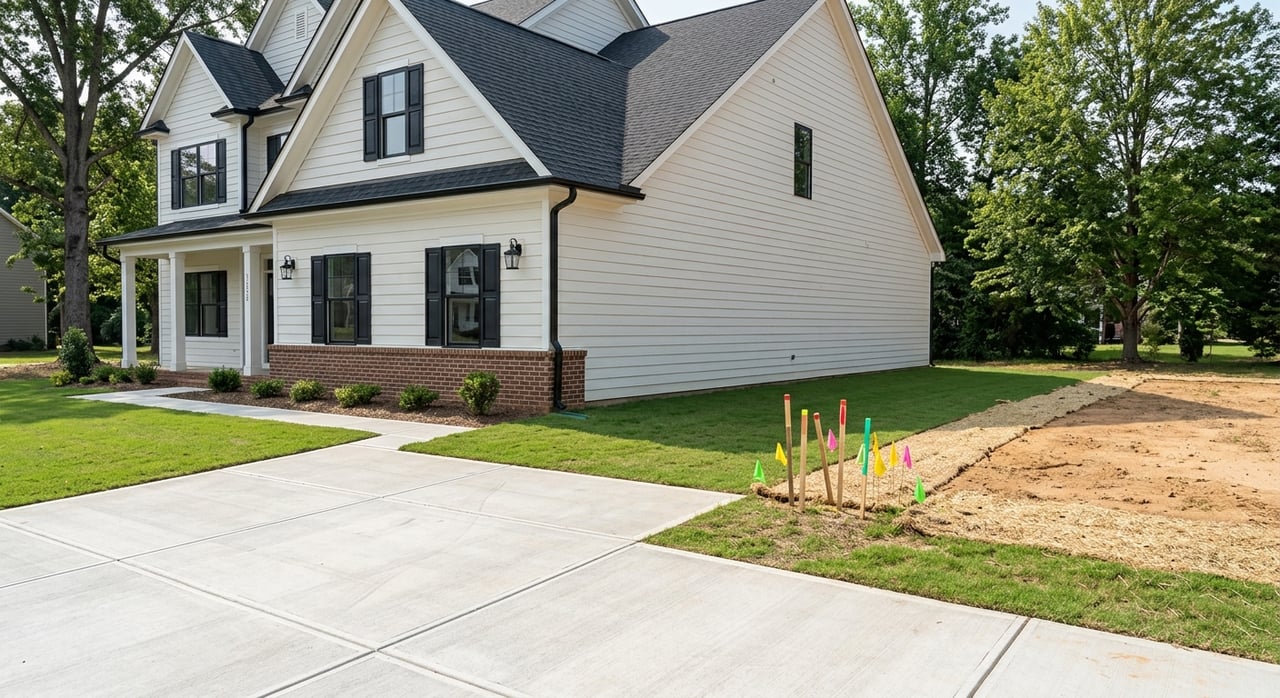
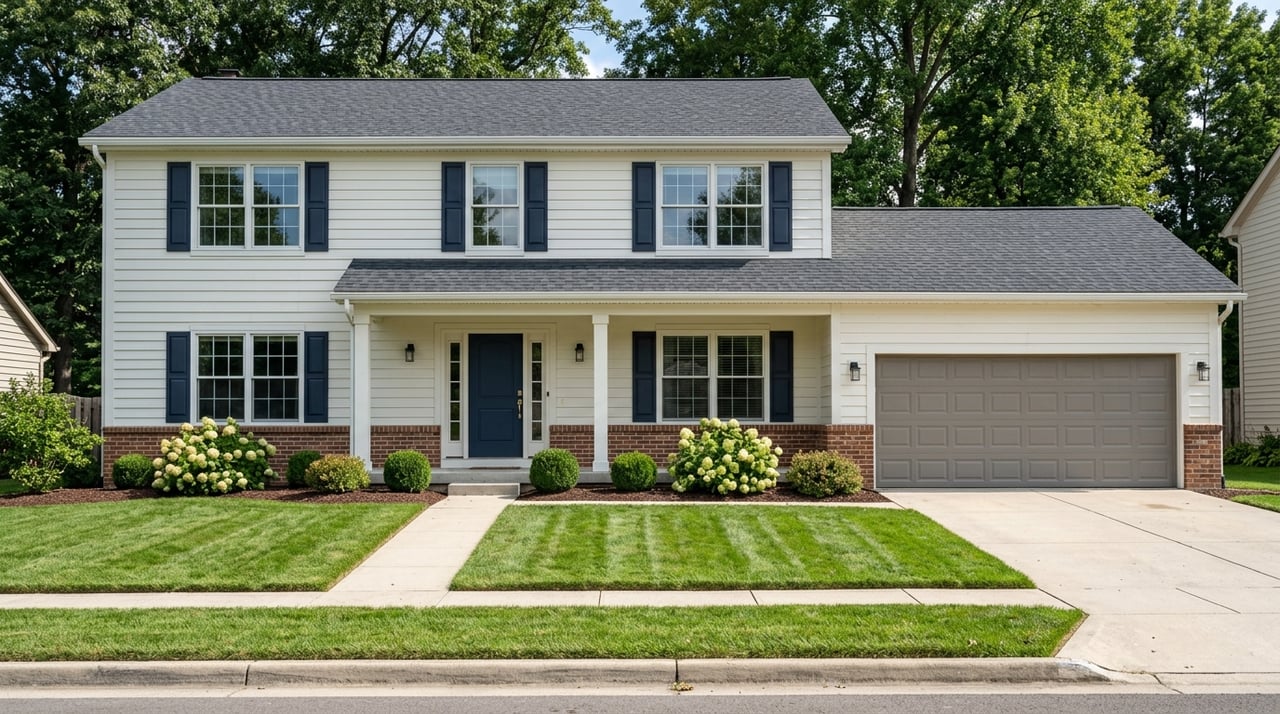
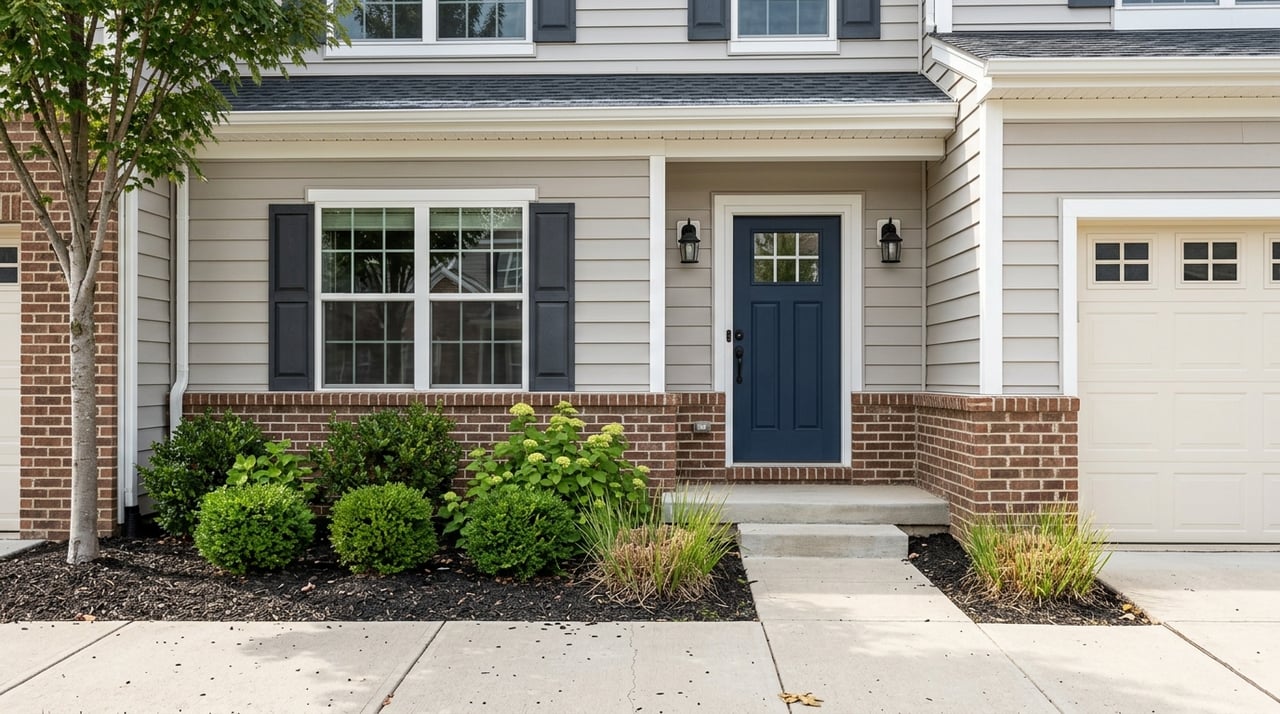
You do not always need a major renovation to improve results. Often, the biggest wins come from removing excess furniture, deep cleaning, touching up paint, and making the exterior look cared for. Those changes help buyers focus on the home itself instead of distractions.
Step 3: Gather required disclosures
Ohio sellers need to complete the residential property disclosure form for residential real property transfers. This form is meant to disclose material matters about the home’s physical condition that are within your actual knowledge. That includes items like water supply, sewer system, sewage treatment information, and the condition of the roof, foundation, walls, and floors.
The disclosure form also covers hazardous materials and conditions such as lead-based paint, asbestos, urea-formaldehyde foam insulation, and radon gas. The key is accuracy and completeness based on what you actually know. If you have repair invoices, warranty information, or service records, it helps to gather those early.
If your home was built before 1978, there is one more step. Federal law requires a separate lead-based paint disclosure before sale, along with the EPA/HUD lead hazard information pamphlet. For older homes in Pataskala, this is an important part of getting the listing ready.
Step 4: Market the home well
Most buyers will see your home online before they ever step inside. That makes photos, staging, and presentation a big part of your sale strategy. In NAR’s 2025 survey, buyers’ agents said photos were important in 73% of cases, physical staging in 57%, videos in 48%, and virtual tours in 43%.
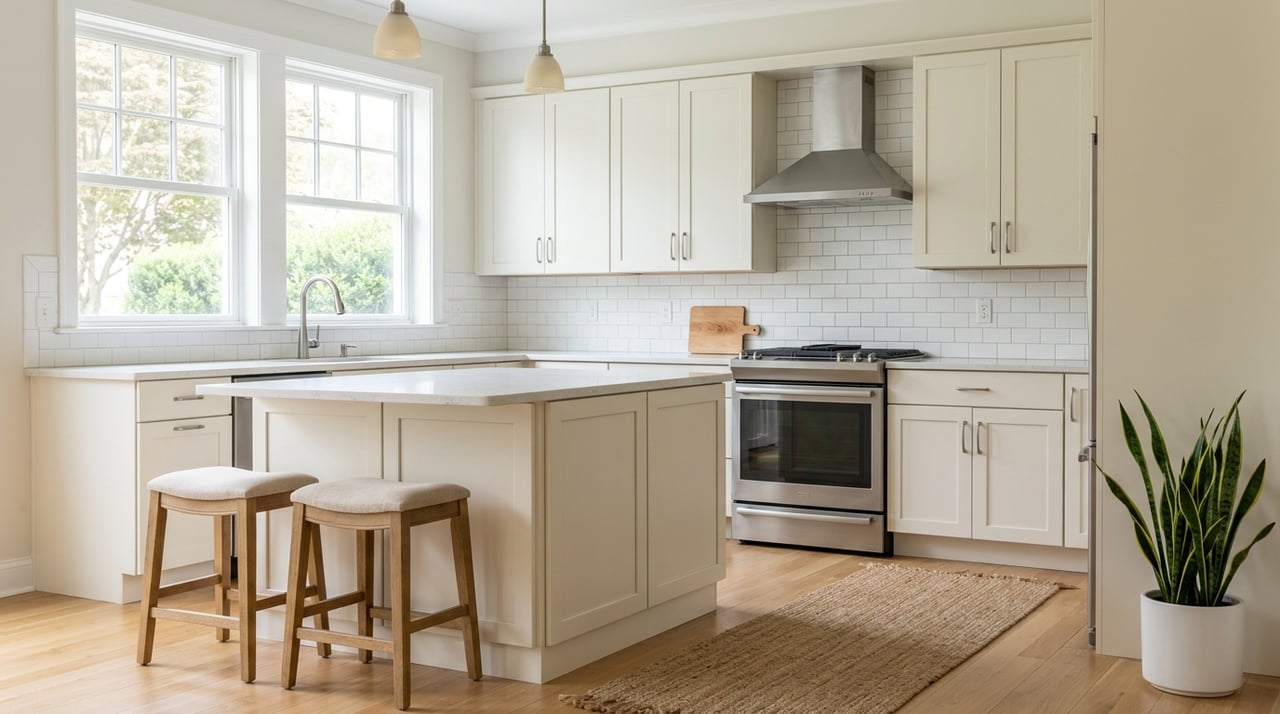
The rooms most often staged were the living room, primary bedroom, dining room, and kitchen. Those are often the spaces that help buyers picture daily life in the home. If your budget allows for staging help, NAR reported a median staging-service cost of $1,500.
That does not mean every Pataskala listing needs the same marketing plan. It means your presentation should match your home, price point, and likely buyer expectations. Clear photos, thoughtful prep, and strong positioning can help your home make a better first impression from day one.
Step 5: Plan for showings
Once your home is live, convenience matters. The easier it is for qualified buyers to tour the property, the more momentum your listing can build. A home that shows well, smells clean, and feels bright gives you a better chance of strong early interest.
Try to keep the home tidy and ready on short notice during the first stretch of showings. That may feel inconvenient, but those early days are often when your listing gets the most attention. A flexible showing plan can help you capture that demand instead of missing it.
It also helps to secure valuables, organize pet plans, and make sure the home feels calm and uncluttered before each showing. Small details can shape how buyers remember the property after they leave.
Step 6: Review offers carefully
When offers come in, the highest price is not always the strongest offer. You want to compare the full picture, including financing strength, contingencies, inspection terms, appraisal risk, requested repairs, and closing-date flexibility. A clean offer with solid financing can sometimes be more dependable than a higher offer with more uncertainty.
Contingencies are a normal part of the process, but some carry more risk for sellers than others. A home-sale contingency, for example, can add uncertainty because the buyer may need to sell another property first. That does not always make it a bad offer, but it does mean you should weigh the trade-offs carefully.
This is where clear, steady negotiation matters. Looking beyond the headline number can help you choose the offer that is most likely to close on time and on the terms that work best for you.
Step 7: Navigate inspection and appraisal
After you accept an offer, the process often feels more sensitive. Inspection and appraisal are the stages where many deals get renegotiated, delayed, or stressed. Good communication and documentation can make a big difference here.
If repairs are negotiated, keep records of what was completed. Written invoices, receipts, and before-and-after photos can help reduce confusion later. This also supports the buyer’s final walk-through, which is typically used to confirm that agreed repairs were finished and that any items you promised to leave are still in the home.
The appraisal matters most when the buyer is financing the purchase. If the appraised value comes in below the contract price, the parties may need to renegotiate or adjust terms. That is another reason why pricing from realistic comparable sales at the start is so important.
Step 8: Prepare for closing
As closing gets closer, the closing agent usually becomes the main coordinator. The final stretch may include the lender, title company, escrow officer, or attorney, depending on the transaction. You will also need to review and sign closing documents as the sale is finalized.
By law, the buyer must receive the Closing Disclosure at least three business days before closing. During this time, it is smart for all parties to review documents carefully so there are fewer surprises on closing day. A smooth closing usually comes from good preparation, not last-minute scrambling.
In Licking County, county offices also play a role in the finish line. The county auditor handles the transfer of real property deeds, and the recorder’s office handles recording, with applicable recording-related fees that include a $5 preservation surcharge per standard document in effect since January 1, 2025.
What timeline should you expect?
For a financed sale in Pataskala, a practical planning range is often about 2.5 to 3.5 months from list to close. That estimate combines the recent central Ohio median of 46 days on market from March 2026 with a typical 30- to 60-day closing window after an offer is accepted.
Of course, every sale is different. Condition, pricing, buyer financing, repair negotiations, and timing all affect the final schedule. Still, having a realistic timeline can help you plan your move, budget for overlap costs, and set expectations from the beginning.
Why a data-backed approach matters
Selling a home can feel emotional, especially if you have lived there for years. But the strongest results usually come from a clear process built on local data, not guesswork. In Pataskala, that means pricing from recent closed sales, preparing the home strategically, marketing it well, and evaluating offers with both numbers and risk in mind.
If you want a sale that feels more organized and less overwhelming, it helps to have a plan for each stage before your home hits the market. That is where local market knowledge and careful analysis can make the process more predictable. When you understand the steps, you can make decisions with more confidence.
If you are getting ready to sell in Pataskala and want a clear, data-driven plan, Shannon Lists Homes can help you price, prepare, and market your home with personalized guidance every step of the way.
FAQs
How should you price a home in Pataskala?
- Start with recent closed sales that closely match your home rather than relying on active listing prices alone. Pataskala had a 2025 median sold price of $375,000, but regional data also shows sellers received 97.0% of original list price on average, so accurate pricing matters.
What disclosures are required when selling a home in Ohio?
- Ohio sellers generally need to complete the residential property disclosure form covering material facts within their actual knowledge about the home’s physical condition, including items like roof, foundation, water, sewer, and certain hazardous materials.
What extra disclosure applies to older Pataskala homes?
- If the home was built before 1978, sellers must also provide a lead-based paint disclosure and the required lead hazard information pamphlet before the sale.
How important is staging when selling a home in Pataskala?
- Staging and presentation can help. NAR’s 2025 survey found that 49% of agents said staging reduced time on market, and 29% said it increased the dollar value offered by 1% to 10%.
What should you compare when reviewing offers on a Pataskala home?
- Look at more than price. Compare financing strength, contingencies, inspection terms, appraisal risk, repair requests, and closing timeline to understand which offer is strongest overall.
How long does it take to sell a home in Pataskala?
- A financed sale often takes about 2.5 to 3.5 months from list to close, based on recent central Ohio market time and a typical 30- to 60-day closing period after contract acceptance.