A vacant rental can cost you money fast, but rushing the prep work can cost you even more. If you own a rental in Newark, you want tenants who pay on time, treat the property with care, and stay longer than one lease cycle. The good news is that getting there usually does not require luxury upgrades. In Newark’s more value-conscious rental market, a safe, clean, durable, and well-managed property often does the heavy lifting. Let’s dive in.
Focus on Newark rental reality
Newark’s rental market points to practical pricing, not premium pricing. Census QuickFacts reports a median gross rent of $973 for 2020 through 2024, while recent rental trackers place average rents in the low-to-mid $1,000s. RentCafe reported spring 2026 averages of $904 for one-bedroom units, $1,173 for two-bedroom units, and $1,380 for three-bedroom units.
That matters when you decide how much to spend before listing a unit. If your upgrade budget outruns what the local market will support, it can be hard to recover those costs. In Newark, the smarter path is usually to improve reliability, appearance, and durability instead of chasing a luxury finish level.
Use rent benchmarks carefully
HUD’s FY 2026 Fair Market Rents for the Columbus HMFA, which includes Licking County, list $1,194 for a one-bedroom, $1,430 for a two-bedroom, and $1,715 for a three-bedroom. These figures are program benchmarks, not promises of what one property will rent for. HUD also notes that fair market rents are gross rent estimates that include tenant-paid utilities except telephone, cable or satellite, and internet.
For most owners, that means you should treat market numbers as guardrails. They can help you set expectations, but they should not be your only pricing tool. Condition, layout, utilities, and maintenance needs still affect what renters are willing to pay.
Start with habitability first
Before you think about paint colors or new fixtures, make sure the property is fit to live in. Ohio law requires landlords to follow applicable building, housing, health, and safety codes and to make repairs reasonably necessary to keep a property fit and habitable. Landlords must also keep common areas safe and sanitary, maintain core systems in good working order, and provide running water, reasonable hot water, and reasonable heat.
The City of Newark’s Property Maintenance Division enforces Property Maintenance Code 07-03 and provides a complaint form and inspection process. That should be a clear signal that basic property condition is not optional. If a problem would stand out during a walk-through, it should be fixed before you market the property.
What to fix before listing
A strong pre-lease checklist should include anything that affects safety, function, or peace of mind, such as:
- Leaks under sinks or around plumbing fixtures
- Loose railings or unstable steps
- Dead outlets or light fixtures that do not work
- Broken or weak locks on exterior doors and windows
- Pest entry points around doors, windows, or foundation gaps
- Trip hazards on walkways, porches, and stairs
- Gaps in caulk or weatherstripping that can lead to water or air issues
These are not flashy upgrades, but they matter to reliable tenants. A property that feels well cared for tends to attract renters who value predictability and maintenance.
Know the rooming-house rule
If your property is operated as a rooming house, Newark requires an annual license. The city’s form also states that operation depends on safety conformance with Property Maintenance Code 07-03.
That means your prep process should match the property type. If the use falls into a category with its own local requirements, confirm compliance before advertising the unit.
Choose upgrades that hold up
In Newark, the best rental improvements are often the ones that reduce turnover costs and maintenance calls. A rental that shows cleanly and holds up between tenants can protect your income better than expensive finishes that wear out or do not move the rent enough.
This is where a practical, data-backed approach matters. Instead of asking, “What looks impressive?” ask, “What will still look good after multiple cleanings, repairs, and lease cycles?”
High-value rental upgrades
The most defensible upgrades in a value-oriented market often include:
- Durable flooring that can handle repeated turnover
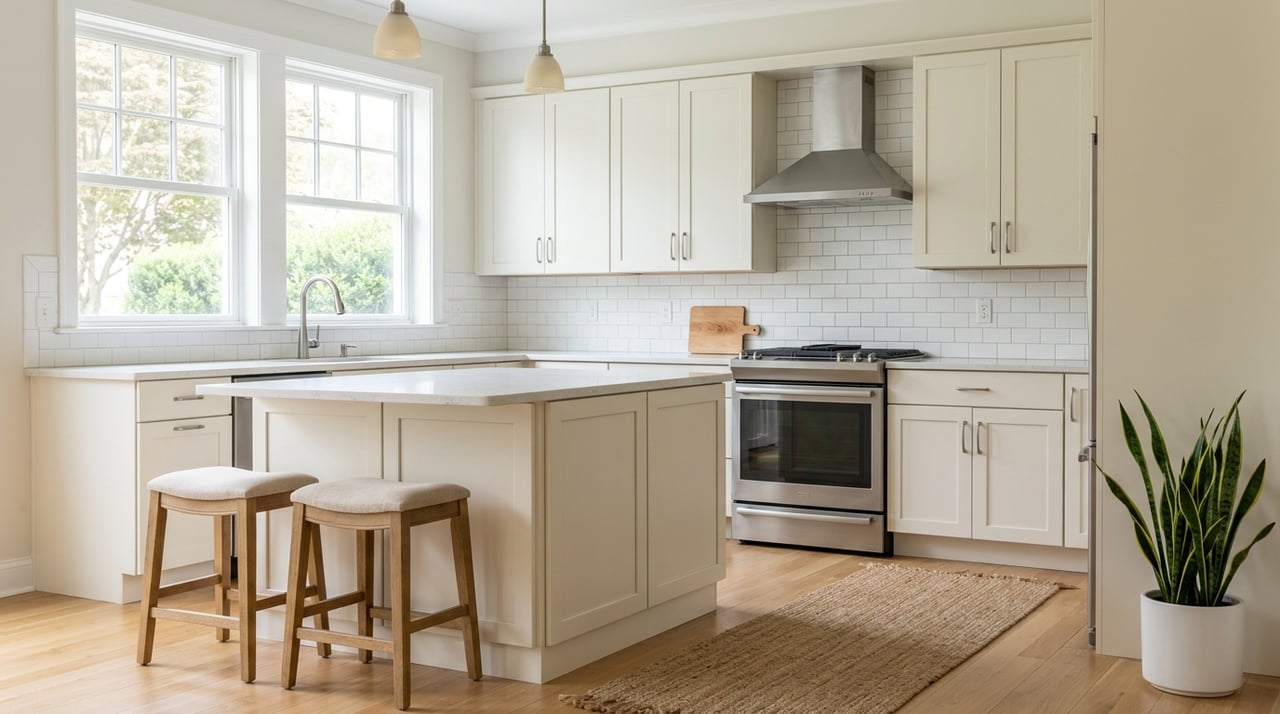
- Neutral paint and trim that photograph well and are easy to touch up
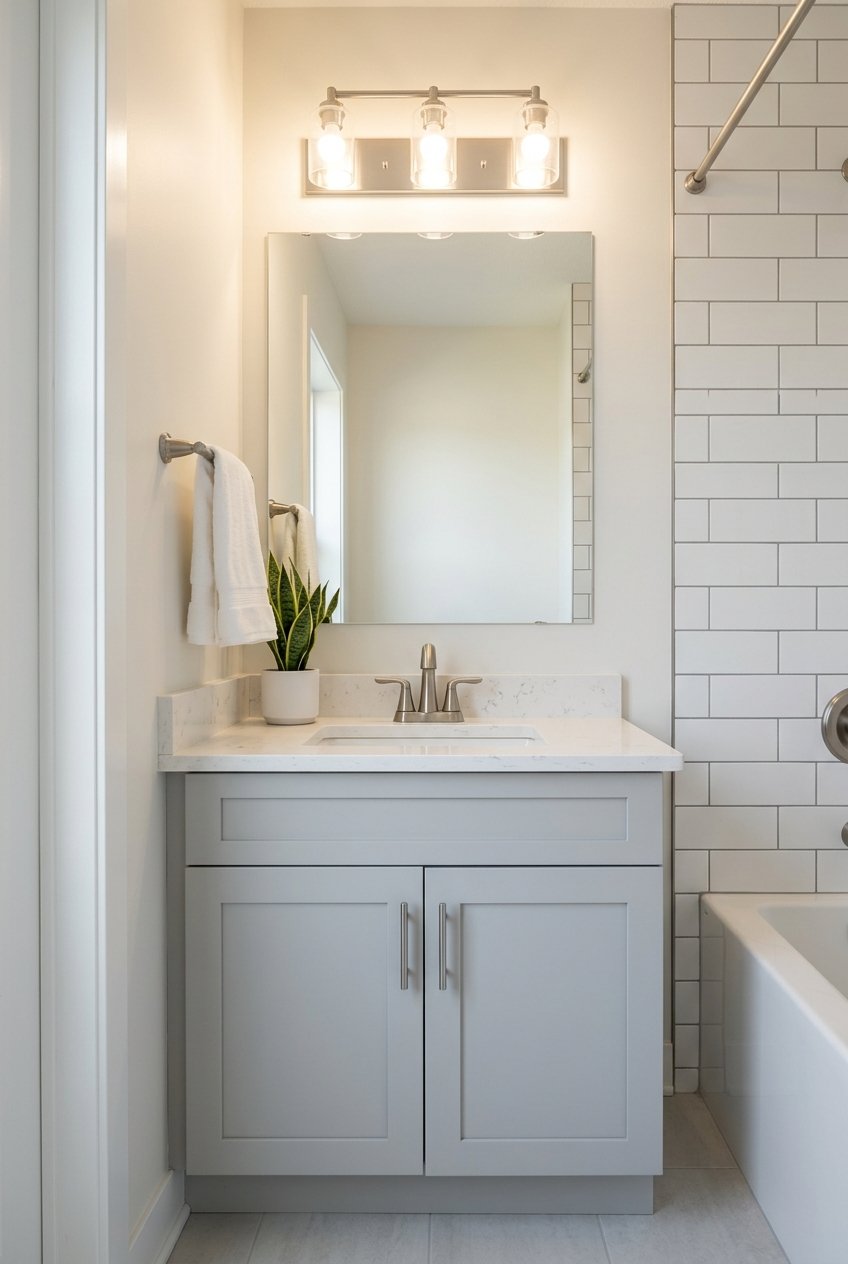
- Bright, consistent lighting in kitchens and bathrooms
- Low-maintenance kitchen and bath surfaces that resist water damage
- Exterior upkeep such as gutters, grading, handrails, caulk, and weather sealing
These upgrades support both marketing and operations. They make the home easier to show, easier to maintain, and easier for a tenant to live in day to day.
Avoid over-improving the unit
Premium materials can be tempting, especially if you want the property to stand out. But in a market with moderate rent levels, top-tier finishes may not produce a matching return.
That does not mean the property should feel basic or neglected. It means your best investment is usually in clean presentation, solid function, and materials that can survive real use.
Make the property feel predictable
Reliable tenants are often looking for the same thing owners want: fewer surprises. A rental that feels safe, clean, and straightforward to maintain can attract renters who appreciate order and consistency.
That starts before the first showing. If the lights work, the locks feel secure, the flooring is in good shape, and the property looks dry and well maintained, renters notice.
Small details that support tenant confidence
You do not need dramatic staging to make a rental appealing. Focus on simple details that make the property feel cared for:
- Replace mismatched bulbs with bright, consistent lighting
- Deep clean kitchens, baths, floors, and windows
- Remove signs of past water damage
- Check that doors close smoothly and latch properly
- Make sure appliances are clean and functional
- Tidy exterior entries, walks, and visible landscaping
These details shape first impressions quickly. A property that feels orderly often attracts applicants who are looking for an orderly rental experience.
Build a fair, consistent screening process
The property itself is only part of the equation. Reliable tenants are easier to identify when your screening process is clear, written, and consistently applied.
Ohio fair housing law prohibits refusing to rent or changing terms because of race, color, religion, sex, military status, familial status, ancestry, disability, or national origin. It also prohibits discriminatory ads, records, and many application questions. At the same time, landlords may ask about an applicant’s ability to meet tenancy requirements.
What a safer screening workflow includes
A practical written screening process can include:
- Identity verification
- Income verification
- Rental history
- Credit or reference checks
- Occupancy limits
- Clear written explanations of deposits and fees
The key is consistency. Apply the same standards to every applicant, document your process, and avoid informal one-off decisions that can create confusion or risk.
Keep your advertising neutral and factual
Newark’s Fair Housing & Landlord/Tenant Services page provides local fair-housing resources, including information on fair-housing advertising and rental repair requests. For owners, that is a good reminder to keep marketing language focused on the property itself.
Stick to facts like bedroom count, features, lease terms, and maintenance expectations. Clear, neutral property descriptions help you stay compliant and attract applicants based on the actual offering.
Set maintenance expectations early
One of the best ways to keep a good tenant is to make the property easy to maintain and the process easy to understand. Ohio law requires landlords to maintain key systems and keep the premises fit and habitable, so a basic maintenance plan is part of protecting both the asset and the tenant relationship.
A simple system can also reduce larger repair bills later. Small issues are easier to solve before they become move-out disputes or code complaints.
A practical Newark maintenance routine
A rental maintenance plan should include:
- Monthly or quarterly HVAC and filter checks
- Plumbing leak inspections
- Caulk and weather-seal touch-ups
- Pest prevention steps
- Seasonal review of gutters, grading, and exterior trip hazards
This kind of routine supports habitability and helps the property show better over time. It also sends a message that the home is managed with care.
Handle property access correctly
Ohio law says landlords should not abuse the right of access. Except in emergencies or when impracticable, reasonable notice is required before entry, and 24 hours is presumed reasonable unless the facts show otherwise.
That may sound like a legal detail, but it also affects tenant trust. A predictable access policy helps create a more professional rental experience from the start.
Document deposits and move-out carefully
Good tenants appreciate clarity, and clear documentation helps you avoid misunderstandings. Ohio’s security-deposit law allows deductions for unpaid rent and tenant-caused damages, but the rules are specific.
After termination and delivery of possession, the landlord must send an itemized written notice within 30 days to the tenant’s forwarding address. If that deadline is missed, the tenant may recover the wrongfully withheld amount, equal damages, and reasonable attorney’s fees.
Why documentation matters
Written records protect both sides. Before move-in, document condition carefully, explain how deposits and fees work, and make sure expectations are easy to follow.
Ohio law also requires 5% annual interest on the portion of a security deposit above $50 or one month’s periodic rent, whichever is greater, if the tenant remains in possession for six months or more. When you use a documented process, it becomes much easier to manage details like this correctly.
Think like an investor, not a decorator
If your goal is to attract reliable tenants in Newark, your best prep strategy is usually simple. Bring the property up to solid condition, choose finishes that can take wear, keep systems working, and use a written process for screening and maintenance.
That approach fits the local market and helps protect your time, budget, and rental income. If you are deciding whether to rent, refresh, or sell a property in Newark, working from local numbers and a clear plan can help you make the next step with more confidence.
If you want a practical, local perspective on how a Newark property fits today’s market, connect with Shannon Lists Homes for data-driven guidance.
FAQs
What rental upgrades matter most in Newark, Ohio?
- In Newark, the upgrades most likely to pay off are usually durable flooring, neutral paint, consistent lighting, low-maintenance kitchen and bath surfaces, and exterior fixes like gutters, grading, caulk, weatherstripping, and handrails.
What habitability standards apply to Newark rental properties?
- Ohio law requires landlords to follow applicable building, housing, health, and safety codes, make repairs needed to keep the property fit and habitable, maintain key systems, and provide running water, reasonable hot water, and reasonable heat.
What should Newark landlords fix before showing a rental?
- Before marketing a Newark rental, fix issues like leaks, loose railings, unsafe steps, dead outlets, broken locks, pest entry points, and trip hazards that could affect safety, function, or tenant confidence.
What screening process should Newark landlords use for rental applicants?
- A safer process is a written standard applied consistently to every applicant, such as identity verification, income verification, rental history, credit or reference checks, occupancy limits, and clear written explanations of deposits and fees.
What are the Ohio rules for entering an occupied rental property?
- In Ohio, landlords generally must give reasonable notice before entering a rental property, and 24 hours is presumed reasonable except in emergencies or when giving notice is impracticable.
What are the Ohio security deposit rules for rental owners?
- Ohio allows deductions for unpaid rent and tenant-caused damages, but landlords must send an itemized written notice within 30 days after move-out and delivery of possession to the tenant’s forwarding address, and some deposits may also require 5% annual interest after six months or more of tenancy.